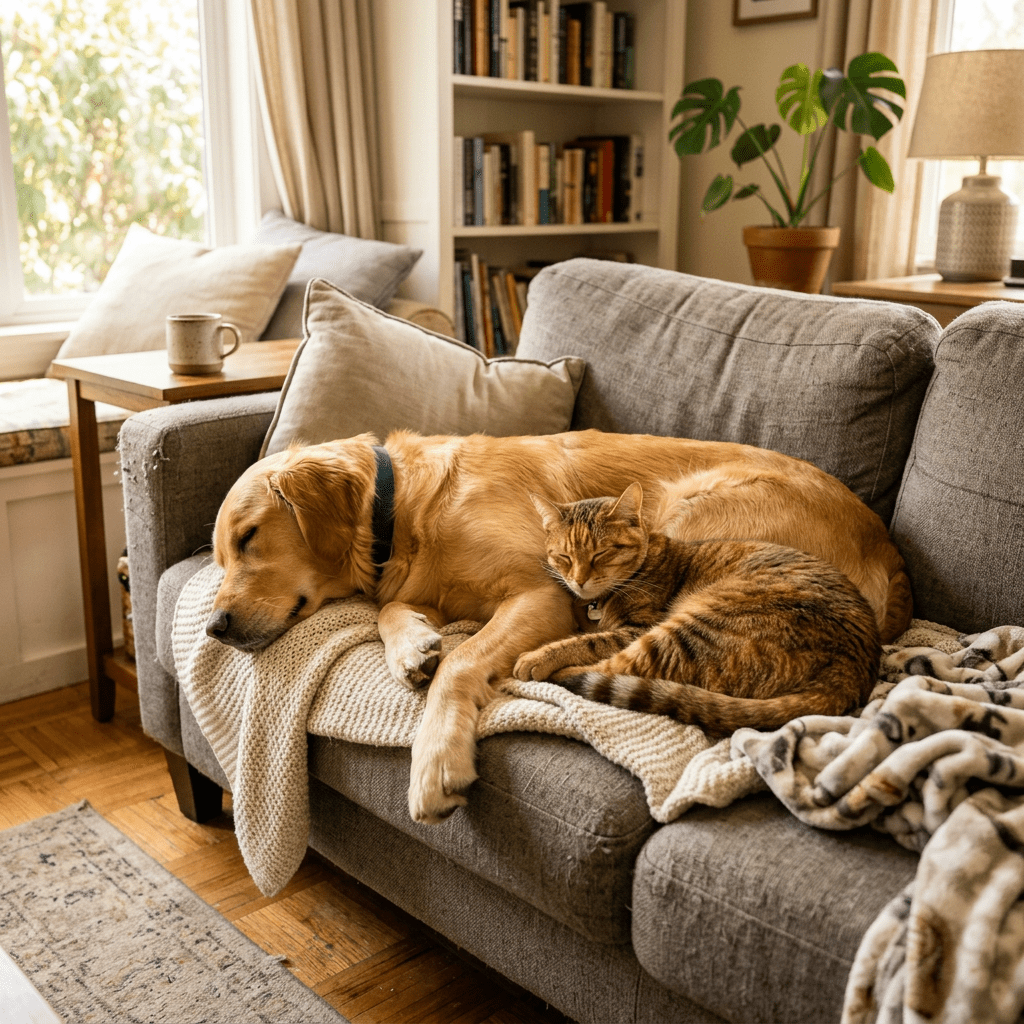
A pet can turn a normal Tuesday into a tiny parade. One tail wag, one dramatic cat flop, one guinea pig squeak, and suddenly the day has a soundtrack. But keeping that furry, feathery, or scaly roommate feeling good takes more than treats and compliments, although compliments do help. Pets are basically tiny celebrities living in the house, and we’re their staff.
The good news? Happy Pets usually come from simple habits done consistently. Good food, movement, clean spaces, checkups, and attention go a long way. No need to become a professional animal whisperer, though if your cat lets you think you are, enjoy the fantasy.
Feed them like you actually read the label
Food is the foundation. Pets need meals that fit their species, size, age, activity level, and health needs. A couch-loving senior dog doesn’t need the same fuel as a young border collie who treats the backyard like an Olympic training center.
Start with a complete and balanced food made for your pet’s life stage. For dogs and cats, that usually means puppy, kitten, adult, or senior formulas. For reptiles, birds, rabbits, and small mammals, diets can vary a lot, so check trusted care guides or ask a veterinarian who actually knows the species.
A few easy food habits help:
- Measure meals instead of free-pouring like a cereal commercial.
- Keep fresh water available every day.
- Introduce new foods slowly over several days.
- Use treats as treats, not as a second dinner wearing a cute disguise.
Treats are fine. Treats are joy. Treats are tiny edible applause. Just keep them in check so your pet doesn’t slowly turn into a loaf with opinions.
Keep them moving, even if they prefer the potato lifestyle
Exercise helps pets stay fit, but it also keeps their brains from inventing chaos. A bored dog may remodel a shoe. A bored cat may knock one object off a shelf at a time while making direct eye contact. Honestly, chilling.
Dogs usually benefit from daily walks, sniffing time, fetch, tug, or training games. Sniffing matters more than people think. For dogs, a good sniff walk is like reading the neighborhood newspaper, including the gossip column.
Cats need movement too, even indoor ones. Wand toys, climbing trees, tunnels, puzzle feeders, and short play sessions can help. Think of it as activating the tiny tiger without inviting it to hunt your ankles at 2 a.m.
Small pets need safe space to explore. Rabbits need room to hop. Guinea pigs enjoy tunnels and hideouts. Birds need supervised time outside the cage when safe. Reptiles need proper habitat setup more than a game of fetch, because a bearded dragon is not going to jog with you, no matter how motivational your playlist is.
Short play sessions can make indoor life more fun.
Make routine care boring in the best way
Good pet care often looks boring. That’s a compliment. Regular checkups, vaccines when recommended, parasite prevention, dental care, nail trims, and grooming do a lot of quiet heavy lifting.
Veterinary visits help catch issues before they become big problems. Pets are talented little actors when they don’t feel well. Cats especially can hide discomfort like they’re protecting state secrets. Dogs may keep wagging even when something’s off. A yearly wellness visit, or more often for seniors or pets with health conditions, gives you a clearer picture.
Dental care deserves more love. Bad breath isn’t just “dog breath” or “cat breath.” It can be a sign of dental disease. Brushing with pet-safe toothpaste is great if your pet allows it. If not, ask your vet about dental chews, diets, or professional cleanings.
Grooming also helps you spot changes early. While brushing or bathing, check for:
- Lumps or bumps
- Red skin or flaky patches
- Ear odor or discharge
- Overgrown nails
- Changes in coat quality
- Signs of fleas or ticks
This post is for general information only. If a pet seems sick, injured, unusually tired, in pain, or stops eating or drinking, call a veterinarian. Internet advice is handy, but it can’t listen to a heartbeat.
Build a home that feels safe and predictable
Pets like routine more than most of us admit. Meals around the same time, a familiar sleeping spot, and predictable household rhythms can reduce stress. Sure, your dog may not own a calendar, but they absolutely know when dinner is five minutes late.
Every pet needs a place to retreat. That might be a crate with the door open, a cat tree, a covered bed, a quiet room, a hide box, or a cozy corner where nobody bothers them. This is especially helpful during loud events, visitors, storms, or holidays.
Safety matters too. Pet-proofing is basically toddler-proofing, but the toddler has claws and may eat socks.
Keep these out of reach:
- Toxic foods like chocolate, grapes, raisins, onions, and xylitol
- Human medications
- Household cleaners
- Small objects that can be swallowed
- Loose cords
- Unsafe plants
For cats, secure windows and balconies. For dogs, check fences and gates. For birds, avoid fumes from nonstick cookware and aerosols. For reptiles and small pets, keep their habitat temperature, lighting, bedding, and humidity in the right range for the species.
A dedicated rest spot gives pets a place to decompress.
Learn their weird little language
Pets communicate constantly. They just don’t send texts, which is rude but probably for the best.
Dogs may show happiness with loose body movement, soft eyes, relaxed ears, play bows, and wagging that involves the whole back end. Stress can look like yawning, lip licking, pacing, tucked tails, stiff posture, or avoiding eye contact.
Cats may show comfort through slow blinking, kneading, purring, relaxed lounging, and upright tails. Stress can show up as hiding, flattened ears, tail flicking, overgrooming, swatting, or sudden litter box changes.
Birds, rabbits, reptiles, and small mammals all have their own signals too. A rabbit may thump when alarmed. A bird may fluff, vocalize, or change posture. A reptile may hide more, refuse food, or act unusually still when conditions aren’t right.
The better you learn the signs, the faster you can adjust. Maybe your pet needs more quiet. Maybe the litter box location is offensive. Maybe the dog park is too much. Maybe your bird has strong feelings about that one hat. Pets contain mysteries.
Give them attention that fits their personality
Some pets want constant togetherness. Others want affection delivered in small, dignified servings, like a fancy dessert. The trick is to meet them where they are.
A social dog may love walks, training, cuddles, and car rides. A shy dog may prefer gentle routines and low-pressure bonding. One cat may nap on your chest like a weighted blanket with whiskers. Another may accept two pets, then file a complaint with claws.
Quality attention can be simple:
- Teach a new cue with rewards.
- Sit nearby while they relax.
- Rotate toys to keep them interesting.
- Offer safe chew items or puzzle feeders.
- Let them choose when to interact.
These are practical Tips for Pet Owners because they work across many lifestyles. You don’t need a giant house, fancy gear, or endless free time. A few focused minutes can make a big difference when they happen often.
Keep an eye on changes
Small changes can say a lot. Appetite, thirst, bathroom habits, sleep, mood, weight, and energy all tell a story. If something shifts suddenly or keeps happening, don’t shrug it off.
A pet who stops eating, drinks much more than usual, has trouble breathing, vomits repeatedly, limps, strains to pee, seems disoriented, or acts painful needs prompt veterinary care. When in doubt, call. Vets would rather answer a “maybe nothing” question than see a preventable emergency later.
Happy, healthy pets aren’t created by one perfect purchase or one magical routine. They thrive because of steady care, patience, and a home where their needs are noticed. Feed them well, move their bodies, challenge their brains, respect their boundaries, and laugh at the goofy stuff. Because sooner or later, someone is going to bark at a leaf, sleep in a box smaller than their dignity, or act shocked that dinner still happens at dinner time.


Leave a Reply